
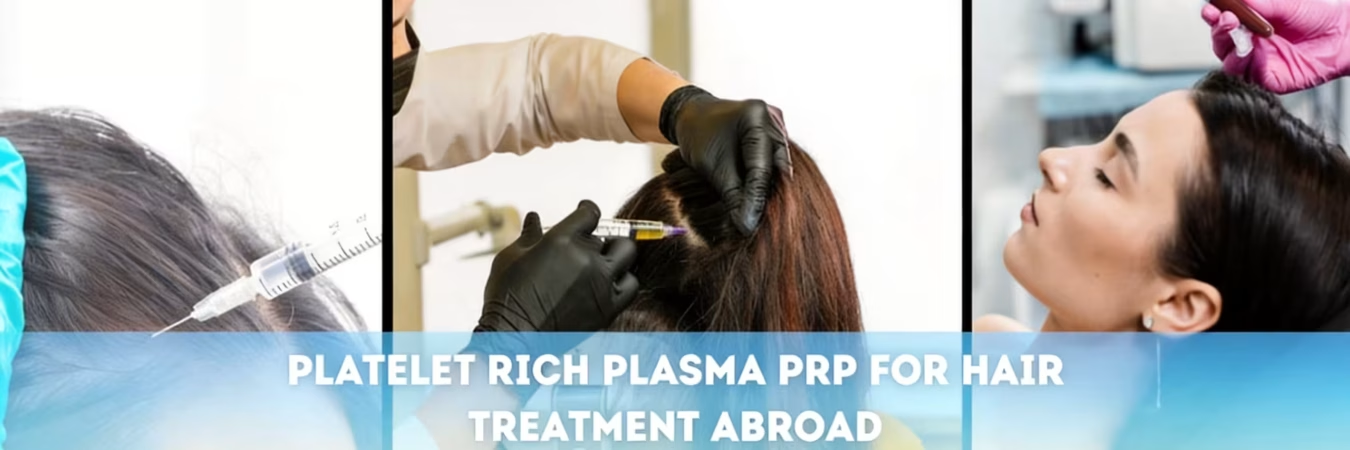
The Global Renaissance of Hair Restoration: A Deep Dive into PRP Therapy Abroad
The quest for a fuller head of hair is a journey that transcends borders. For many adults in the United States, Canada, and Europe, hair loss is not just a cosmetic concern but a significant blow to self-confidence and professional image. Platelet-Rich Plasma (PRP) therapy has emerged as a beacon of hope, offering a natural, non-surgical pathway to regeneration. By leveraging the body’s own healing factors, PRP is redefining how we approach alopecia. This guide serves as your comprehensive resource for understanding the science, the costs, and the logistics of pursuing PRP hair restoration on a global scale.
PRP for hair has gained significant traction for its minimally invasive nature and impressive results, offering hope to those experiencing thinning hair, a receding hairline, or general hair loss. Many are now looking beyond their borders, considering medical tourism to access high-quality PRP treatments at more affordable prices, or to combine their treatment with a rejuvenating travel experience.
This comprehensive guide will delve deep into PRP hair restoration, covering everything from understanding its benefits and who it’s for, to exploring global cost comparisons and what to expect when choosing to undergo this transformative procedure abroad. If you’re searching for “natural hair regrowth solutions,” “does PRP work for hair loss,” or “affordable hair restoration treatments,” you’re in the right place. Let’s explore how PRP could be your path to a fuller head of hair.
The Psychological Toll of Alopecia in Modern Society
The emotional weight of thinning hair cannot be overstated. Patients proactive in searching for “why is my hair thinning” are often seeking to reclaim a part of their identity. In high-pressure environments across New York, London, or Toronto, a full head of hair is often associated with vitality and success, making the search for effective treatments like PRP a top priority for those noticing visible changes.
What are the common signs and symptoms of hair loss?
Recognizing the early signs of hair loss, also known as alopecia, is crucial for timely intervention. While some hair shedding is normal (we lose 50-100 hairs daily), persistent or excessive loss can indicate a problem. Here are the symptoms many individuals search for when noticing changes:
- Gradual Thinning on Top of Head: This is the most common type of hair loss, affecting both men and women. In men, it often manifests as a receding hairline or bald spot at the crown. In women, it’s typically a widening part.
- Patchy or Circular Bald Spots: Some people experience smooth, coin-sized bald spots, often due to conditions like alopecia areata. This can affect the scalp, beard, or eyebrows.
- Sudden Loosening of Hair: A physical or emotional shock can cause hair to loosen. Handfuls of hair might come out when combing or washing your hair, or even after gentle tugging. This is often temporary (telogen effluvium).
- Full-Body Hair Loss: Certain medical treatments, like chemotherapy, can result in the loss of hair all over your body.
- Scaly Patches That Spread: This can be a sign of ringworm of the scalp, accompanied by broken hair, redness, swelling, and sometimes oozing.
Many patients search for “why is my hair thinning” or “how to stop hair fall,” indicating a proactive search for understanding and solutions to these visible changes.
What causes hair loss, and what are its risk factors?
Understanding the root cause is the prerequisite for a successful treatment plan. Hair loss is rarely the result of a single factor; rather, it is a complex interplay of biology, environment, and lifestyle. Hair loss isn’t just about aging; it can stem from a variety of factors:
- Genetics (Heredity): The most common cause is a hereditary condition called androgenetic alopecia, or male/female-pattern baldness. This genetic predisposition means you’ll likely experience hair loss as you age, often with a predictable pattern.
- Hormonal Changes and Medical Conditions:
- Hormones: Pregnancy, childbirth, menopause, and thyroid problems can cause temporary or permanent hair loss.
- Medical Conditions: Alopecia areata (an autoimmune disease), scalp infections (like ringworm), and a hair-pulling disorder called trichotillomania are examples.
- Medications and Supplements: Hair loss can be a side effect of certain drugs used for cancer, arthritis, depression, heart problems, gout, and high blood pressure.
- Radiation Therapy to the Head: Hair may not grow back the same as it was before.
- Stress: Significant physical or emotional shock can lead to temporary hair thinning (telogen effluvium). This could be due to surgery, severe illness, or major life events.
- Poor Nutrition: Deficiencies in iron, protein, zinc, and vitamin D can contribute to hair loss.
- Certain Hairstyles and Treatments: Tight hairstyles (like pigtails or cornrows) and hot oil treatments or permanents can cause a type of hair loss called traction alopecia.
Patients often search for “causes of receding hairline” or “what causes thinning hair in women,” highlighting the desire to identify the underlying issue.
The Science of Regeneration: How PRP Therapy Works Its Magic
PRP therapy is often called “liquid gold” for its high concentration of regenerative potential. It is a non-surgical, autologous treatment, meaning it uses your own biological material to stimulate growth. Here’s a breakdown of how this remarkable procedure works:
Blood Draw: It begins with a simple blood draw, similar to a routine blood test. A small amount of your blood (typically 30-60 ml) is taken.
Platelet Isolation: The blood sample is then placed into a centrifuge, a specialized machine that spins at high speed. This process separates the blood components, isolating the plasma rich in platelets from other cells like red and white blood cells. This concentrated plasma is what we call Platelet-Rich Plasma (PRP).
Growth Factor Concentration: Platelets are tiny cells known for their clotting ability, but they also contain a high concentration of powerful growth factors. These growth factors are critical for tissue regeneration and repair.
Scalp Injection: The PRP, now highly concentrated with these beneficial growth factors, is carefully injected into the areas of the scalp experiencing hair thinning or loss. These injections are precisely targeted to reach the dormant or weakened hair follicles.
Stimulation and Regeneration: Once injected, the growth factors in the PRP go to work. They stimulate dormant hair follicles to re-enter the active growth phase (anagen), increase blood supply to the follicles, reduce inflammation, and even strengthen existing hair strands, making them thicker and healthier.
The entire process typically takes about 60-90 minutes. Patients often ask, “how long does PRP take to work for hair” or “PRP hair treatment steps,” indicating their interest in the mechanism and timeline.
Who is a suitable candidate for PRP hair restoration?
PRP is a powerful tool, but it is not a “one size fits all” cure for baldness. Success depends heavily on the stage of hair loss and the patient’s general health. The best candidates for PRP for hair restoration are typically those with:
Early to Moderate Hair Loss: PRP is most effective for individuals experiencing early stages of hair thinning or pattern baldness (androgenetic alopecia) where hair follicles are still present but dormant or miniaturized. It helps to strengthen existing weak hairs and stimulate new growth.
Thinning Hair, Not Complete Baldness: If you have completely bald areas where follicles are no longer present, PRP may not be as effective. It works by stimulating *existing* follicles.
Good General Health: Candidates should be in good overall health.
Realistic Expectations: While PRP can yield significant improvements, results vary, and it requires patience and multiple sessions.
Who might NOT be a good candidate?
Complete Baldness: As mentioned, if you’ve been bald for a long time, PRP won’t create new follicles.
Certain Medical Conditions: Individuals with active scalp infections, blood disorders (e.g., platelet dysfunction syndromes), chronic liver disease, cancer, or those on blood thinners may not be suitable. A thorough medical evaluation is essential.
Heavy Smokers or Drug/Alcohol Abusers: These habits can impair the healing process and affect PRP effectiveness.
Many patients search for “is PRP for hair effective for me” or “who can get PRP for hair,” emphasizing the need for personalized eligibility criteria.
What can I expect during and after PRP hair treatment, including recovery?
Understanding the patient journey for PRP treatment helps set realistic expectations:
During the Procedure:
Preparation: Your scalp will be cleaned, and a topical anesthetic may be applied to minimize discomfort from the injections.
Blood Draw and PRP Preparation: As described earlier, blood is drawn, processed in a centrifuge, and the PRP is prepared.
Injections: The PRP is injected into targeted areas of your scalp using a fine needle. Most patients describe this as a mild stinging or pressure sensation. The entire procedure typically lasts between 60 to 90 minutes.
After the Procedure (Recovery and Expectations):
Immediate Aftermath: You might experience mild soreness, redness, or a feeling of fullness in the treated areas for 1-2 days. This is normal and usually subsides quickly.
Downtime: There is virtually no downtime. Most patients can return to their normal activities immediately.
Hair Care: You’ll usually be advised not to wash your hair for 12-24 hours after the treatment. Avoid strenuous exercise, excessive sweating, and direct sun exposure for a day or two.
Results Timeline: PRP results are not instant. Hair growth is a slow process.
First 2-3 months: You may notice reduced hair shedding.
3-6 months: You might start to see new hair growth and improved hair thickness.
6-12 months: Optimal results become more apparent, with thicker, healthier hair.
Maintenance: A series of 3-4 initial treatments, spaced 4-6 weeks apart, is usually recommended, followed by maintenance treatments every 6-12 months to sustain results.
Patients often search for “PRP hair treatment recovery time” or “PRP hair before and after,” highlighting their interest in the outcome and healing process.
Are there potential risks or side effects of PRP for hair loss?
Given that PRP therapy uses your body’s own blood components, the risk of allergic reactions or disease transmission is extremely low. However, as with any medical procedure involving injections, there are potential, typically minor, side effects:
Mild Soreness or Pain: At the injection sites, which usually subsides within a day or two.
Swelling: Slight swelling of the scalp, lasting for a day or two.
Bruising: Small bruises at the injection sites are possible, especially if you are prone to bruising.
Pinpoint Bleeding: Very small spots of bleeding can occur immediately after injections.
Headache or Dizziness: Rarely reported, and typically mild.
Infection: A very rare risk, minimized by ensuring the procedure is performed in a sterile environment by a trained professional.
Nerve Injury or Scarring: Extremely rare when performed by an experienced practitioner.
To minimize risks, it’s crucial to choose a reputable clinic with experienced medical professionals. Always discuss your full medical history with your doctor before undergoing PRP therapy. Questions like “is PRP hair treatment safe” or “PRP hair side effects” are common patient concerns.
The International Advantage: Why Westerners are Choosing Medical Tourism
The decision to look beyond domestic options is often driven by the intersection of high quality and significant cost disparity. Medical tourism allows patients from the US and UK to access world-class expertise without the premium price tag.
Average Cost Comparison for a Single PRP Session for Hair (Approximate USD)
| Country | Average Cost Per Session | Notes |
|---|---|---|
| United States | $750 – $1500 | High cost of living and medical expenses. |
| United Kingdom | $500 – $1200 | Similar to Western Europe. |
| Canada | $600 – $1300 | Comparable to US, but slightly lower. |
| Turkey | $150 – $400 | Very popular for medical tourism, high volume, competitive pricing. |
| Mexico | $200 – $500 | Proximity to US, often combined with vacation. |
| India | $100 – $350 | Extremely competitive, growing medical tourism destination. |
| China | $200 – $450 | High quality care, often combined with tourism. |
*Note: Prices are estimates and can vary based on clinic, location within a country, and included services. A full course of PRP typically involves 3-4 initial sessions.
This cost disparity makes traveling abroad a financially attractive option for many seeking “affordable PRP hair treatment” or “PRP hair treatment cost overseas.”
Why choose medical tourism for your PRP hair treatment?
The decision to travel for medical care, especially for a procedure like PRP hair restoration, is often driven by a combination of compelling factors:
Cost Savings: As highlighted in the cost comparison, the most significant driver is often the ability to receive the same, or even higher, quality treatment at a fraction of the cost found in one’s home country.
Access to High-Quality Care and Expertise: Many medical tourism hubs boast world-class hospitals and clinics with highly trained, internationally certified doctors specializing in hair restoration. They often use the latest equipment and techniques.
Reduced Waiting Times: In some countries, waiting lists for specialized procedures can be lengthy. Medical tourism allows patients to schedule their treatment promptly.
Privacy and Anonymity: For some, undergoing a cosmetic procedure away from their local community offers a sense of privacy.
Combining Treatment with Travel: The opportunity to recover in a beautiful new environment, turning a medical trip into a relaxing vacation, is a strong draw. This can significantly reduce stress and enhance the overall experience.
Comprehensive Packages: Many international clinics offer all-inclusive packages that cover the procedure, accommodation, airport transfers, and sometimes even local tours, simplifying the travel process.
Patients often search for “best countries for hair restoration” or “PRP treatment abroad benefits,” reflecting their interest in these advantages.
What should I consider when selecting a country and clinic for PRP hair restoration abroad?
Making an informed choice is paramount for a successful medical tourism journey. Here are key considerations:
Country Selection:
Reputation for Medical Tourism: Look for countries with a strong track record in medical tourism, especially for hair restoration. Turkey, Mexico, India, and Thailand are popular choices.
Accreditation and Regulations: Research the country’s medical regulations and accreditations. Are their clinics internationally accredited (e.g., JCI)?
Visa Requirements: Understand the visa process and duration of stay permitted.
Language Barrier: Many clinics catering to international patients will have English-speaking staff, but it’s good to confirm.
Travel Logistics and Safety: Consider ease of travel, flight availability, and the general safety and political stability of the destination.
Clinic and Doctor Selection:
Accreditation and Certification: Ensure the clinic is accredited by recognized international or national bodies. Check if the doctors are board-certified and specialize in hair restoration.
Doctor’s Experience: Inquire about the doctor’s experience with PRP for hair, including the number of procedures performed and their success rates.
Technology and Techniques: Ask about the PRP preparation system they use (e.g., centrifuge type, PRP kits) and their injection techniques.
Patient Reviews and Testimonials: Read online reviews, look for before-and-after photos, and seek out patient success stories from previous international clients.
Transparency in Pricing: Ensure the clinic provides a clear, comprehensive quote that includes all costs (procedure, follow-ups, any required medications) to avoid hidden fees.
Communication: Evaluate their responsiveness and clarity in communication before you commit.
Many patients search for “best PRP clinics in Turkey” or “safe PRP hair restoration abroad,” emphasizing the importance of trust and quality.
What does a typical patient journey for international PRP hair treatment look like?
Embarking on a medical journey abroad can seem daunting, but reputable medical tourism facilitators and clinics streamline the process. Here’s a typical patient journey:
Initial Consultation & Quote:
Online Inquiry: You start by contacting a medical tourism facilitator like MedBridge or a clinic directly.
Medical Information: You’ll provide medical history, photos of your scalp, and current concerns.
Personalized Plan: A specialist will review your case and provide a treatment plan, including the number of PRP sessions recommended, total cost, and a timeline.
Planning & Booking:
Logistics: Once you accept the plan, the facilitator or clinic assists with travel arrangements – flights, accommodation (often discounted rates or packages), and local transportation.
Visa (if needed): Guidance on visa applications.
Travel & Arrival:
Arrival: You arrive at your destination. Many clinics offer airport pick-up services.
Settling In: You’ll be taken to your accommodation.
Pre-Treatment & Procedure:
In-Person Consultation: A final consultation with your doctor to discuss expectations and address any last-minute questions.
PRP Sessions: You’ll undergo your PRP sessions. Often, initial treatments are spaced out, meaning you might stay for a week or two for multiple sessions, or plan for return trips.
Post-Treatment & Recovery:
Aftercare: You’ll receive clear instructions for post-PRP care, including what to avoid and when to resume normal activities.
Follow-up: A final check-up before you depart.
Return Home & Long-term Care:
Continued Progress: You’ll return home with a plan for at-home care and likely virtual follow-ups with your international clinic.
Maintenance: Periodic maintenance sessions might be recommended, either at home or during future trips abroad.
This structured approach ensures a smooth experience for those searching for “travel for hair restoration” or “international patient journey PRP.”
Take the Next Step with MedBridge
Ready to explore treatment options abroad? Discover top clinics, compare prices, and get quotes tailored to your needs with MedBridge.
Categories
- Mayo Clinic, Cleveland Clinic, or Concierge Medicine? How to Choose the Right Executive Health Program for You 622 05/17/2026
- Hair Transplantation in Progressive Androgenetic Alopecia: Long-Term Risks of Inappropriate Timing 486 05/23/2026
- Guangzhou: The Global Frontier for Advanced Hair Transplantation and Restoration 300 03/19/2026
- Achieve a Radiant, Hollywood Smile: The Definitive 2026 Guide to Premium Dental Veneers in Guangzhou 299 03/13/2026
- The Hidden Danger of Skipping Psychological Evaluation Before Weight Loss Surgery 296 06/08/2026
Make An Appointment
- 30 N Gould St Ste R
Sheridan, WY 82801 - Online Booking:
[email protected]
Being in control of your life and having realistic expectations about your day-to-day challenges are the keys to stress management.
Pre-Departure Patient Guidelines
Platform FAQ for Patients
Feel free to message us!
About Us
We help international patients coordinate information, provider communication and practical travel planning for care in China. MedBridge is not a hospital or medical provider.
- How Can I Verify the Credentials of Overseas Hospitals and Doctors? 09/24/2026
- AI-Assisted Anastomosis, 3D Visualization & Single-Port Platforms: A Comprehensive Upgrade in Bariatric Surgery Technology by 2026 09/24/2026
- What Medical Records Should You Bring When Seeking a Second Opinion? 09/22/2026
- 51% of American Adults Have High Blood Pressure — Do You Know If You’re One of Them? 09/22/2026
Most Commented